




 Tiếng Việt
Never before has grocery shopping made us think so much. Amid today’s increasingly vibrant supermarket shelves and bustling traditional markets—diverse yet complex—the question “What is safe to eat? What should we choose for our health?” remains a constant concern for anyone who cares about their family meals.
We no longer simply want a meal that “fills the stomach,” but more importantly, one that brings peace of mind. So how can we become smart consumers? Let UYN share a few simple yet highly effective tips to help you take control of your kitchen and protect your family’s health every day.
- The “ID Card” – Product Origin
Product origin is considered the most important “passport” ensuring food safety. A product with transparent traceability not only helps consumers understand its journey from farm to table, but also serves as a basis for controlling potential risks throughout cultivation, processing, and transportation
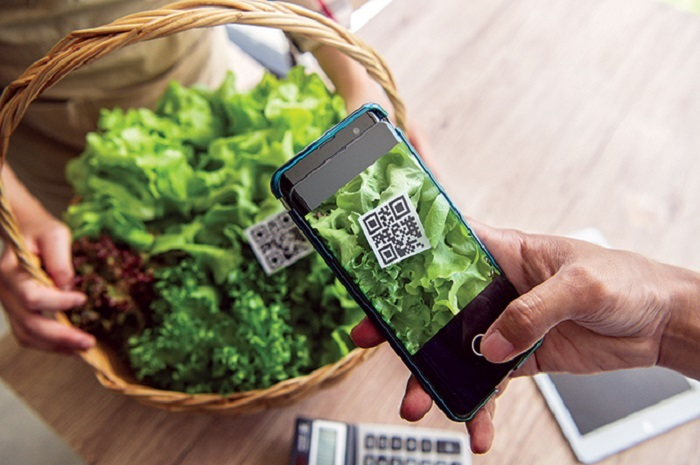
- Prioritize traceability labels: Make it a habit to scan QR codes. A reputable product should provide complete information, including the production facility, harvest/slaughter date, and food safety inspection details.
- Recognize trusted certifications: Smart consumers should prioritize products certified with VietGAP, GlobalGAP, or Organic standards. These are not merely commercial labels, but proof of a strict production process—from input control (seeds, fertilizers, animal feed) to harvesting and post-harvest handling. Such standards act as a “filter” to eliminate risks related to chemical residues, ensure transparent traceability, and demonstrate responsibility toward public health, workers, and environmental sustainability.
- The Art of Reading Labels – Don’t Let Packaging “Fool” You
Most consumers tend to be attracted to eye-catching images and flashy marketing claims on the front of the package. However, to become a smart shopper, set those promises aside and focus on the “truth” found on the back of the product by paying attention to these key factors:
- Ingredient list: Ingredients are listed in descending order by weight. If sugar or saturated fat appears among the first few ingredients, think twice before purchasing.
- The “5-ingredient rule”: Nutrition experts often advise limiting processed foods with long ingredient lists full of hard-to-pronounce chemical names—these are usually signs of additives and preservatives.
- Sodium and sugar levels: Check the amount of salt (sodium) and added sugar to help prevent cardiovascular diseases, high blood pressure, and diabetes.

- Choosing Seasonal Foods – Following Nature to Protect Your Health
Many people are used to eating any fruit they like at any time of the year. However, forcing crops to grow outside their natural seasons often comes with food safety risks:
- Reduce chemical residues: Out-of-season produce typically requires significantly higher amounts of pesticides and growth stimulants to maintain yield under unfavorable weather conditions. Prioritizing seasonal vegetables and fruits helps minimize the risk of consuming these chemicals.
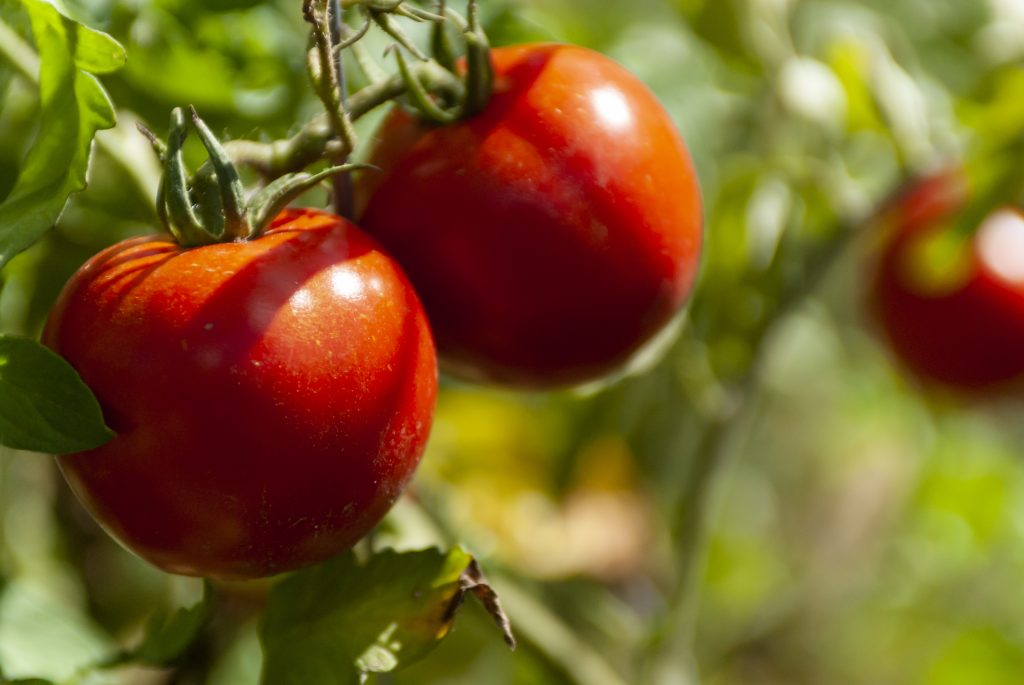
- In season, fully nutritious: Naturally grown, peak-season produce not only offers the freshest and richest flavors but also accumulates optimal levels of vitamins and minerals. A sun-ripened tomato in the summer will certainly be more nutritious than one artificially ripened in a greenhouse.
- Optimize your family budget: Seasonal foods are usually more affordable thanks to abundant supply and lower storage costs. Choosing seasonal produce is the smartest way to care for your family’s health while optimizing daily grocery expenses.
- Sensory Inspection: Experience from Your Eyes and Hands
Although modern labels and QR codes are widely available today, nothing can replace the careful “eyes and hands” of someone who truly cares about their kitchen. Sometimes, simply slowing down to observe and feel with your senses can help you easily recognize truly high-quality food:
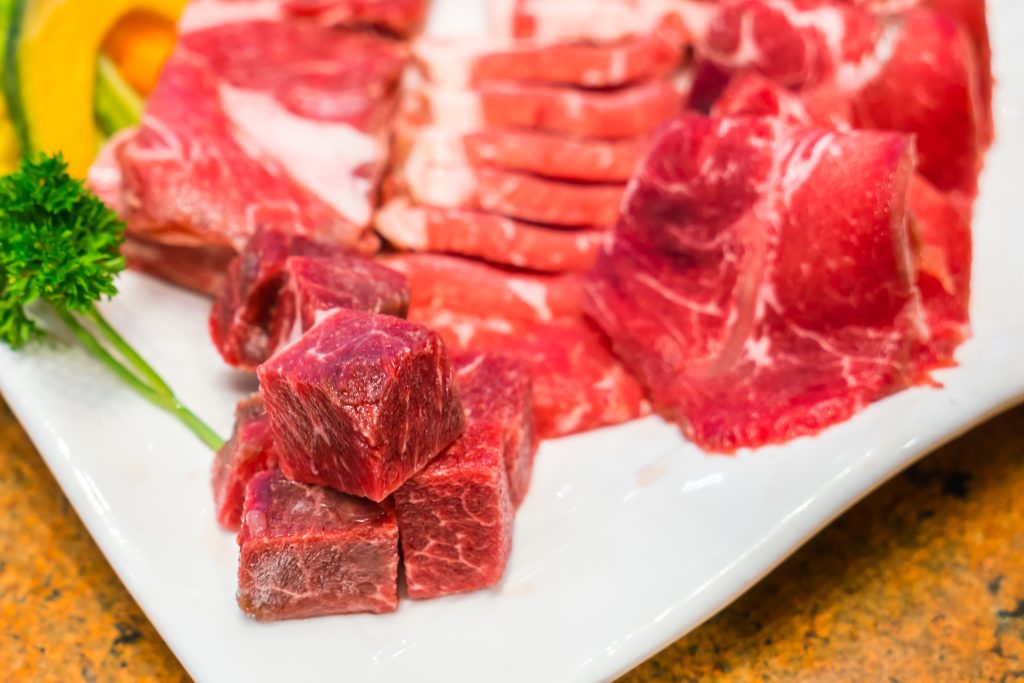
- For fresh meat: Touch it to feel its “freshness.” Properly fresh meat should have natural elasticity—when you press your finger into it, the indentation should quickly spring back without leaving a mark. In terms of color, pork should appear light pink, while beef should have a characteristic deep red color. Avoid meat that looks pale, has white spots (which may indicate parasites), or has a slimy surface and unpleasant odor.
- For vegetables and fruits: Produce that appears unnaturally glossy, overly vibrant, or excessively perfect may result from heavy use of foliar fertilizers or growth stimulants. Sometimes, fruits and vegetables that are slightly irregular in shape—even with a few small insect marks—can actually be signs of more natural cultivation methods with minimal chemical intervention.
- Building Sustainable Shopping Habits: Choosing the Right Place to Place Your Trust
Let’s start building a personal “green zone” of safe food for our families. With just a small change in shopping habits, eating clean becomes easier and more reassuring than ever:
- Find trusted go-to stores: Among hundreds of supermarkets and convenience stores, experts recommend prioritizing large distributors capable of building closed-loop supply chains. When retailers can control the entire process—from farming to the consumer’s hands—they are better able to manage irrigation water quality, antibiotic residues, and eliminate the use of unauthorized fertilizers. This serves as a “shield” protecting families from invisible food safety risks.
- Prioritize the “Farm-to-Table” supply chain: Instead of simple trading, some brands establish specialized distribution hubs—for example, vegetables from Da Lat, fish from Can Tho, and pork from Dong Nai. At these hubs, agricultural engineers work closely with farmers to provide technical guidance and ensure quality control in accordance with VietGAP and HACCP standards (international standards designed to eliminate food safety hazards).
- Support local produce – Fresh and meaningful: Choosing food from local supply chains shortens transportation time, preserving freshness and nutritional value. This is not only about selecting the best products for your family, but also about supporting local farmers and contributing to a greener, more sustainable living environment for everyone.

References:
https://vnexpress.net/meo-chon-thuc-pham-sach-nguon-goc-ro-rang-3668072.html